
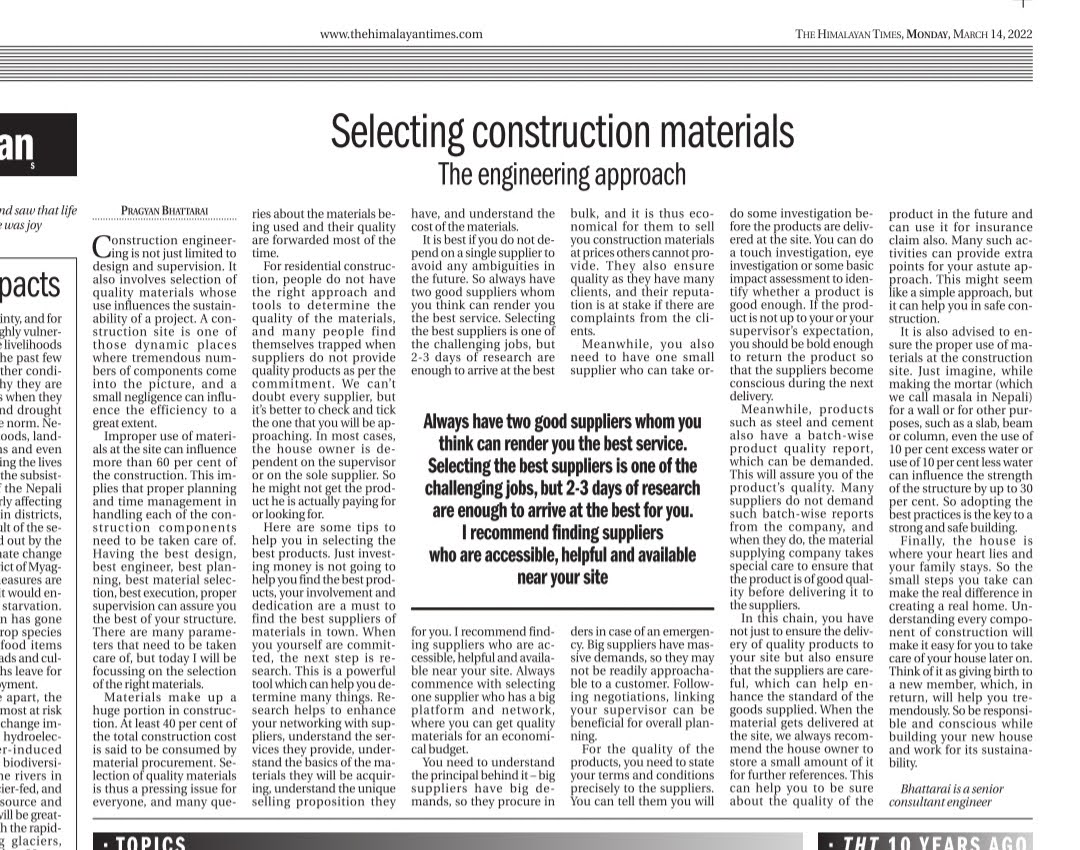
Understanding the concept of Designing before Construction For its sustainability
..Our clients get confused sometime when we ask them so many things about their daily activities, number of members in their house, hobbies of the individual member in the house, nature of the people living in the house and age gap in every individual, relation of the individual member of the house, their future plans and perception....
"....science accept 60% efficiency as good..."
Designing and constructing your dream house is a significant investment—often a lifetime commitment. Whether you are from any part of the world, owning a house that fulfills your desires is a goal that everyone aspires to and takes pride in. However, overlooking basic components of design and construction in an attempt to save a small amount of money can be burdensome in the future. Based on a decade of experience, I have observed that people want their homes to be the best and are willing to invest substantial amounts to achieve this. It is crucial to make them aware of what they are building, as this process is akin to nurturing a newborn baby—the quality of care from day one will determine the outcome. Clients often become confused when we ask detailed questions about their daily activities, the number of members in their household, individual hobbies, the nature of the residents, age differences, relationships among household members, future plans, perceptions, educational and social backgrounds, and their understanding of a quality lifestyle. We also encourage them to provide a rough sketch of their expectations. This is because a house is where your heart resides, where loved ones live, and where you share all of life’s ups and downs. Designing according to the needs and behaviors of its inhabitants makes the design truly effective.
Many people inquire about the "best" design, but it is essential to understand that the best design varies based on the nature of the people living in the house. Tailoring the design to meet your expectations can result in a more positive environment, as satisfaction leads to positivity. Therefore, the first rule of design is understanding the user's needs and designing accordingly. The second rule involves ensuring flexibility, economic feasibility, and sustainability. We ensure that the designs we propose are adaptable, within budget, and provide long-term value. Once the basic design is prepared, we ensure that it complies with building codes and regulations, and address any ambiguities that might cause problems during construction and certification. After these fundamental aspects are addressed, we incorporate components that make the design environmentally friendly. For instance, at a planning site in Lalitpur, we faced a water scarcity issue. The problem was not just the increasing number of wells but the lack of water table recharge. By implementing a recharge well, we were able to maintain water levels despite the growing number of wells. This simple yet powerful example illustrates how acting thoughtfully can lead to significant improvements.
Given the increasing concrete jungle and reduced land available for water absorption, it's vital to collaborate with the environment. For example, if each house in a rural community planted and cared for two large trees, we would collectively plant thousands of trees, greatly benefiting the environment. Green designing and advanced planning can achieve these goals with minimal investment, integrating environmental considerations into the design. Regarding whether green or smart designing can mitigate future hazards, the answer is yes. Our lives are governed by basic principles of science, which consider 60% efficiency as acceptable. While no design is 100% effective, striving for high efficiency can significantly benefit us. Anticipating risks such as earthquakes, fire, water damage, and electrical issues can be mitigated with proper design. Additionally, incorporating advanced equipment, such as safe storage for hazardous materials, fire extinguishers, sensor-based electrical systems, and ventilation systems with sensors, can enhance safety. Advanced planning and design are crucial for adding future safeguards. We encourage every homeowner to recognize the value of thoughtful design and understand that innovative solutions vary from person to person and place to place. Investing time before construction can prevent future ambiguities, save money, and add value to your home and future generations. Understanding the principles of house construction in advance will help save money, time, and enhance the value of your home...
Nepali Version
तपाईको सपना घरको डिजाइन र निर्माण
तपाईंको सपना घरको डिजाइन र निर्माण एकपटकको ठूलो लगानी हो, जसमा सबै प्रयोगकर्ताहरूले आफ्नो जीवनकालको लगानी गरेका छन्। तपाईं संसारको कुनै पनि कोना बाट हुनुहुन्छ भने पनि, आफ्नो घर हुनु र त्यसले तपाईको इच्छालाई पूरा गर्नु एउटा लक्ष्य हो, जसलाई सबैले गर्व गर्न चाहन्छन्। यस सन्दर्भमा, थोरै खर्च बचत गर्नको लागि डिजाइन र निर्माणका केही आधारभूत तत्वहरूलाई बेवास्ता गर्नु भविष्यमा बोझिलो हुन सक्छ। एक दशकको अनुभवको आधारमा, मैले देखेको छु कि मानिसहरू आफ्नो घरलाई उत्तम बनाउन चाहन्छन् र यसका लागि कुनै पनि रकम लगानी गर्न तयार हुन्छन्। यसैले, उनीहरू के निर्माण गर्दैछन् भन्ने कुरा बुझाउनु महत्त्वपूर्ण छ। यो प्रक्रिया नवजात शिशुलाई पाल्न र हेरचाह गर्नको समान छ—पहिलो दिनदेखि गरिएको हेरचाहले परिणाम निर्धारण गर्नेछ।
हामीले गर्दा क्लाइन्टहरू प्रायः घुमाउने कुरामा अलमलमा पर्छन्, जब हामी उनीहरूको दैनिक गतिविधिहरू, घरका सदस्यहरूको संख्या, व्यक्तिको रुचिहरू, बस्ने व्यक्तिहरूको स्वभाव, उमेरको भिन्नता, सदस्यहरूको सम्बन्ध, भविष्य योजना, धारणा, शैक्षिक र सामाजिक पृष्ठभूमि, जीवनको गुणस्तरको समझ र घरबाट अपेक्षाहरू बारेमा सोध्छौं। हामी उनीहरूलाई घरको अपेक्षाको एक साधारण चित्र प्रस्तुत गर्न पनि आग्रह गर्छौं। घर भनेको तपाईको हृदयको बसोबास हो, जहाँ तपाईंका प्रियजनहरू बस्छन् र सबै खुशी र दु:खको साझेदारी हुन्छ। यसको सदस्यहरूको आवश्यकताअनुसार डिजाइन गर्नुले डिजाइनलाई वास्तविक रूपमा प्रभावकारी बनाउँछ।
धेरै व्यक्तिहरूले "सर्वश्रेष्ठ" डिजाइनको बारेमा सोध्छन्, तर यो बुझ्न महत्त्वपूर्ण छ कि सर्वश्रेष्ठ डिजाइन मानिसहरूको स्वभावअनुसार परिवर्तन हुन्छ। तपाईंको अपेक्षाअनुसार डिजाइन गर्नु भविष्यमा सकारात्मक वातावरण सिर्जना गर्न सक्छ, किनकि सन्तोषजनकता सकारात्मकतामा परिणत हुन्छ। त्यसैले, डिजाइनको पहिलो नियम भनेको प्रयोगकर्ताको आवश्यकतालाई बुझ्नु र त्यसअनुसार डिजाइन गर्नु हो। दोस्रो नियम भनेको डिजाइनको लचकता, आर्थिक पक्ष र दिगोपन सुनिश्चित गर्नु हो। हामी सुनिश्चित गर्छौं कि हामीले प्रस्ताव गरेका डिजाइनहरू लचकदार, बजेटमा समेटिएका र दीर्घकालीन मूल्य प्रदान गर्ने छन्।
बुनियादी डिजाइन तयार भएपछि, हामी सुनिश्चित गर्छौं कि यो भवन कोड र नियमहरूको अनुपालनमा छ, र निर्माण र प्रमाणिकरण प्रक्रियामा समस्याहरू सिर्जना गर्न सक्ने अस्पष्टताहरूलाई समाधान गर्छौं। यी आधारभूत पक्षहरू समाधान गरेपछि, हामी डिजाइनमा वातावरणीय अनुकूलता थप्ने तत्वहरू समावेश गर्छौं। उदाहरणको रूपमा, ललितपुरको एक योजना साइटमा पानीको कमीको समस्या थियो। यो समस्या केवल कुवा संख्या वृद्धि होइन, तर पानीको तालको पुन: चार्जको कमी थियो। एक पुन: चार्ज कुँवा लागू गरेर, हामीले पानीको स्तर कायम राख्न सक्यौं। यो सादगीपूर्ण तर शक्तिशाली उदाहरणले देखाउँछ कि सोचविचार गरेर गरिएको कार्यले महत्वपूर्ण सुधार ल्याउन सक्छ।
वृद्धि भइरहेको कंक्रीटको जंगल र पानी अवशोषणको लागि उपलब्ध जमिनको कमीलाई मध्यनजर राख्दै, वातावरणसँग सहयोग गर्न महत्त्वपूर्ण छ। उदाहरणका लागि, यदि ग्रामीण समुदायका प्रत्येक घरले दुई ठूला रुखहरू लगाउने र हेरचाह गर्ने अवधारणा अपनायो भने, हामी हजारौं रुखहरू सामूहिक रूपमा रोप्न सक्दछौं, जसले वातावरणमा ठूलो योगदान पुर्याउँछ। हरित डिजाइन र उन्नत योजना यी लक्ष्यहरूलाई न्यूनतम लगानीमा प्राप्त गर्न सक्दछन्, जसले डिजाइनमा वातावरणीय विचार समेटिन्छ।
हरित वा स्मार्ट डिजाइन भविष्यका कुनै पनि जोखिमहरूलाई कम गर्नमा सहायक हुन सक्छ भने, जवाफ हो, हो। हाम्रो जीवन आधारभूत विज्ञानका सिद्धान्तहरूसँग सम्बन्धित छ, जसले ६०% दक्षतालाई स्वीकार गर्दछ। कुनै डिजाइन १००% प्रभावकारी हुँदैन, तर उच्च दक्षता प्राप्त गर्न प्रयास गर्दा ठूलो लाभ प्राप्त गर्न सकिन्छ। भूकम्प, आगो, पानी, विद्युत् र अन्य समस्याहरूको जोखिमलाई कम गर्न उचित डिजाइनमा ध्यान दिनु महत्त्वपूर्ण छ। साथै, घरमा उन्नत उपकरणहरू प्रयोग गर्दा जीवनलाई सजिलो बनाउन सकिन्छ, जस्तै खतरनाक वस्तुहरूको सुरक्षित स्थान, आगो निभाउने यन्त्र, सेन्सर आधारित विद्युत प्रणाली, र सेन्सर सहितको हावा प्रवाह प्रणाली।
सर्वथा जोखिमहरूको पूर्वानुमान, गणना र योजना डिजाइनमा समावेश गर्नु भविष्यमा अतिरिक्त उपायहरू थप्नमा मद्दत गर्दछ। त्यसैले, प्रत्येक घर मालिकलाई डिजाइनको मूल्य बुझ्न र यो समझ्नको लागि अनुरोध गर्दछौं कि नयाँ डिजाइनको अवधारणा व्यक्ति र स्थान अनुसार फरक हुन सक्छ। निर्माण अघि समय निकाल्नुले भविष्यमा कुनै पनि अस्पष्टता टार्न मद्दत पुर्याउँछ, पैसा बचाउँछ, र तपाईंको घर र भविष्यका पीढीहरूको जीवनमा मूल्य थप्न सक्छ। यसैले, घर निर्माणको सिद्धान्तहरूलाई पहिले नै बुझ्न महत्त्वपूर्ण छ, जसले तपाईंको पैसा, समय र मूल्य बचाउँछ।